Improving the Usability, and Accessibility of a box
Focus of the Box
The primary focus for our box, was having a user-centered design, and put accessibility features first. The main needs of our users are to be able to carry, open and close the box with next to no difficulty.
Area of Interest
We will be creating a delivery box that is sustainable, economical, functional, ergonomic, and inclusive. Our goal is to create an accessible box by using a human-centered design approach and process.
Achieving our Design
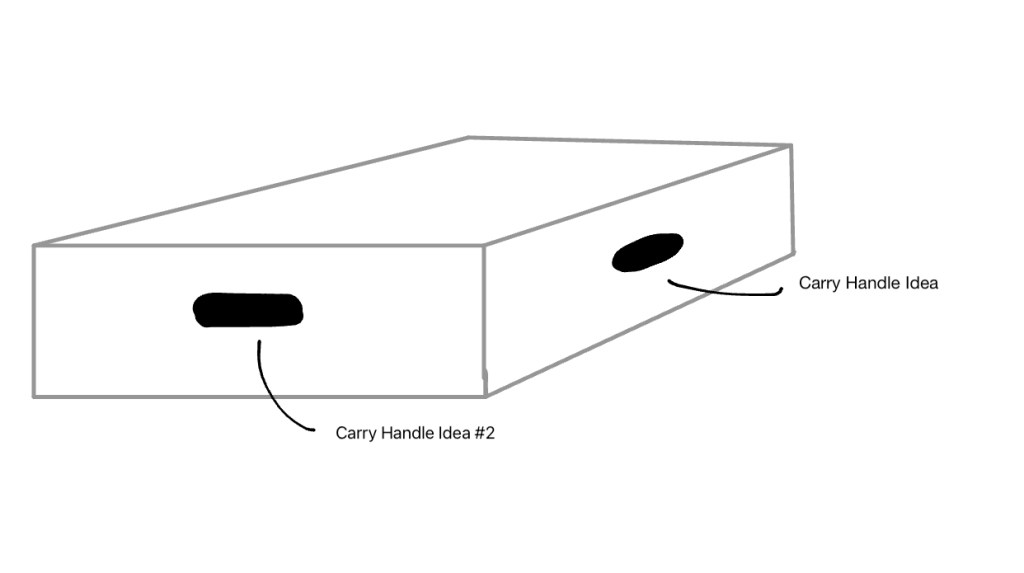
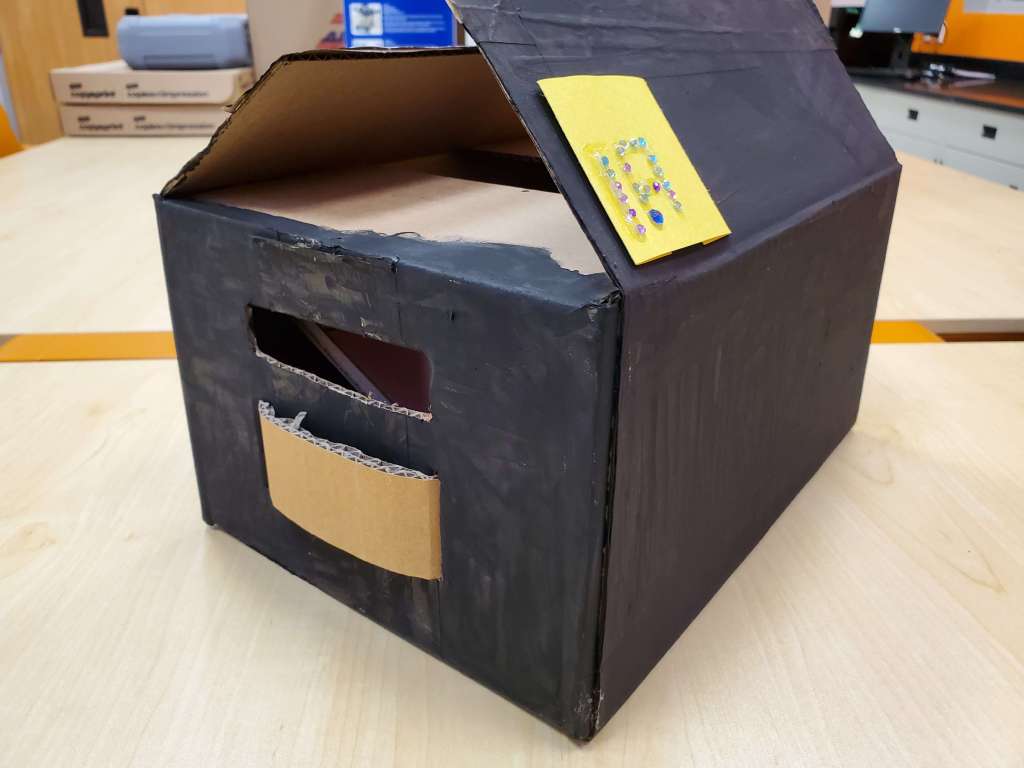
Putting different types of handles on our box allows users with limited mobility and/or strength to be able to lift and carry the box.
We’d also introduce braille labels to put on the box, to allow our visual impaired users the independence to know this is their package.
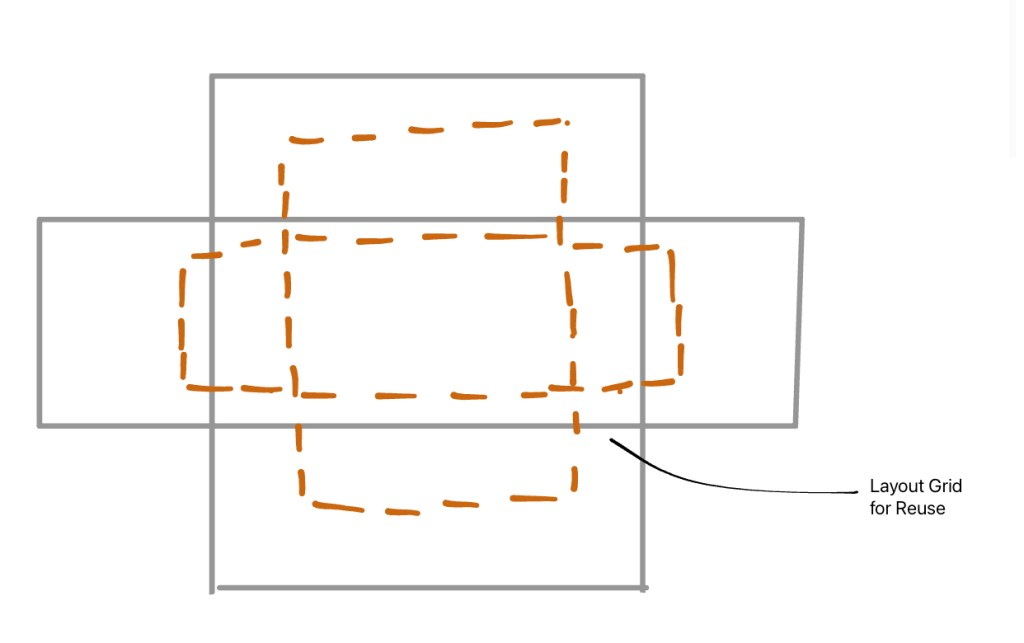
Inside the box we’d put a layout grid, for repurposing the box to make it more cost-efficient and waste-reducing.
Materials for Prototype
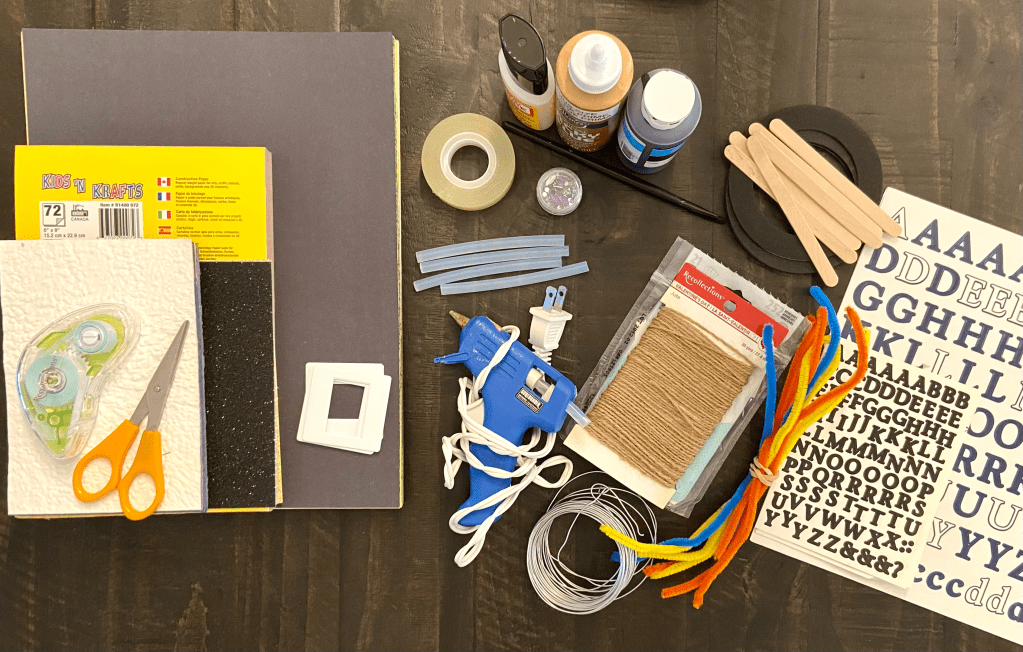
We are repurposing materials we already have to make our prototype. Our materials are divided into three categories: Tools, Paper and Embellishments.
The tools we will be using to construct our delivery box are glue guns, liquid glue, scissors, and tape. Our paper materials are of cardboard, cardstock, and construction paper. Our embellishments include a variety of stickers, wire, pens, and string.
Our finished prototype will be on a smaller scale, than the actual product.
Producing our Prototype
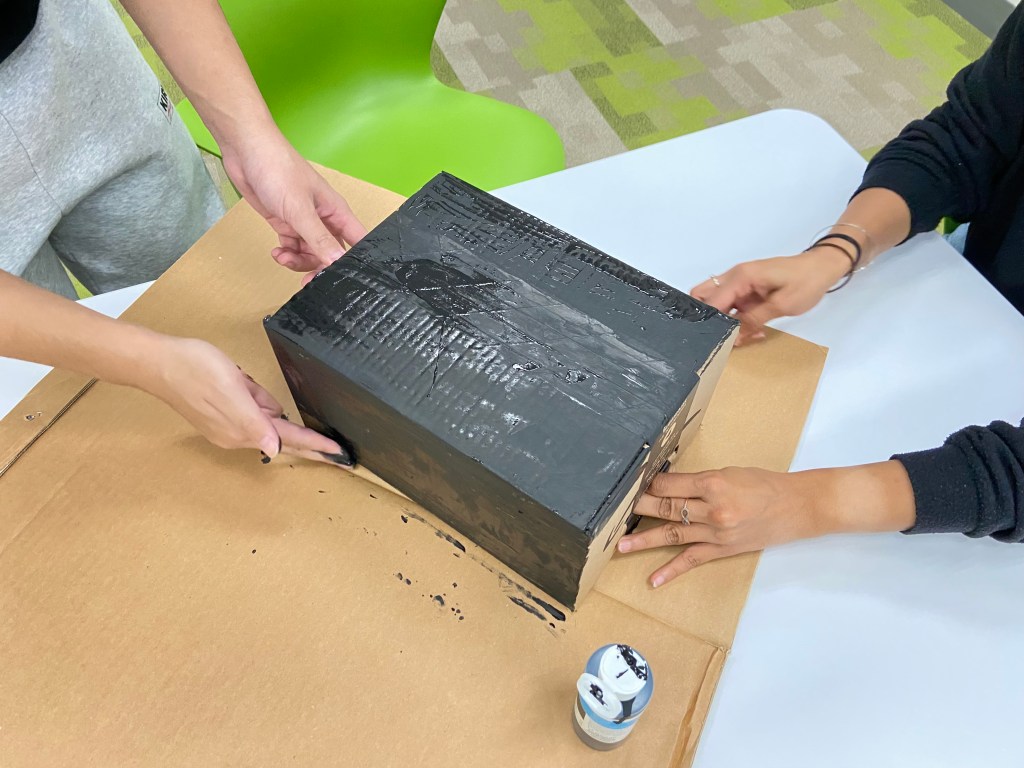
We recycled an old Amazon box and painted it black only for the prototype to easily show the changes.
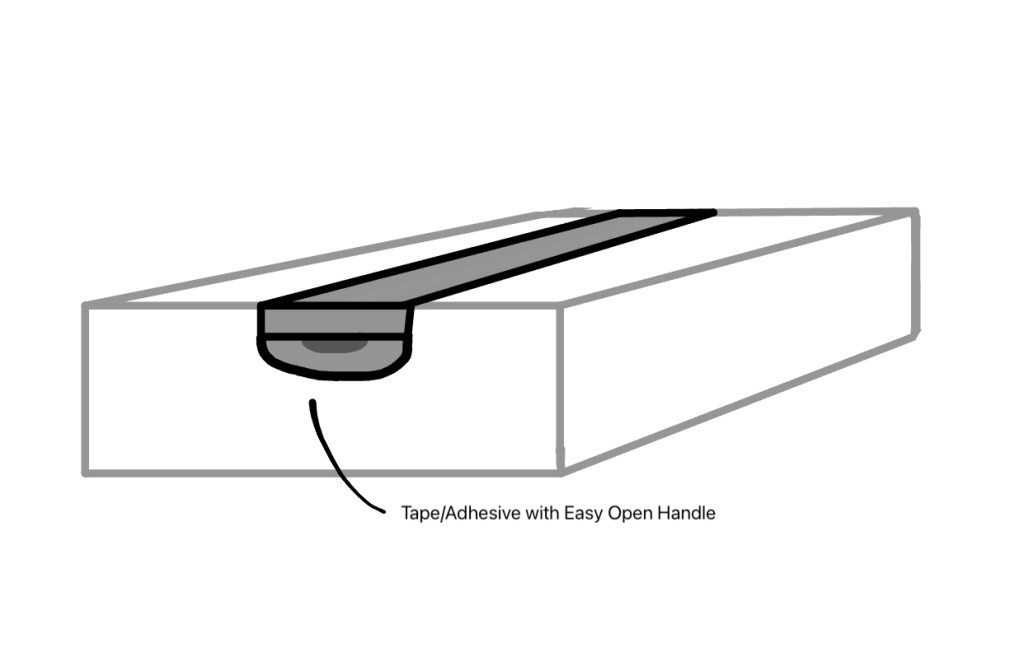
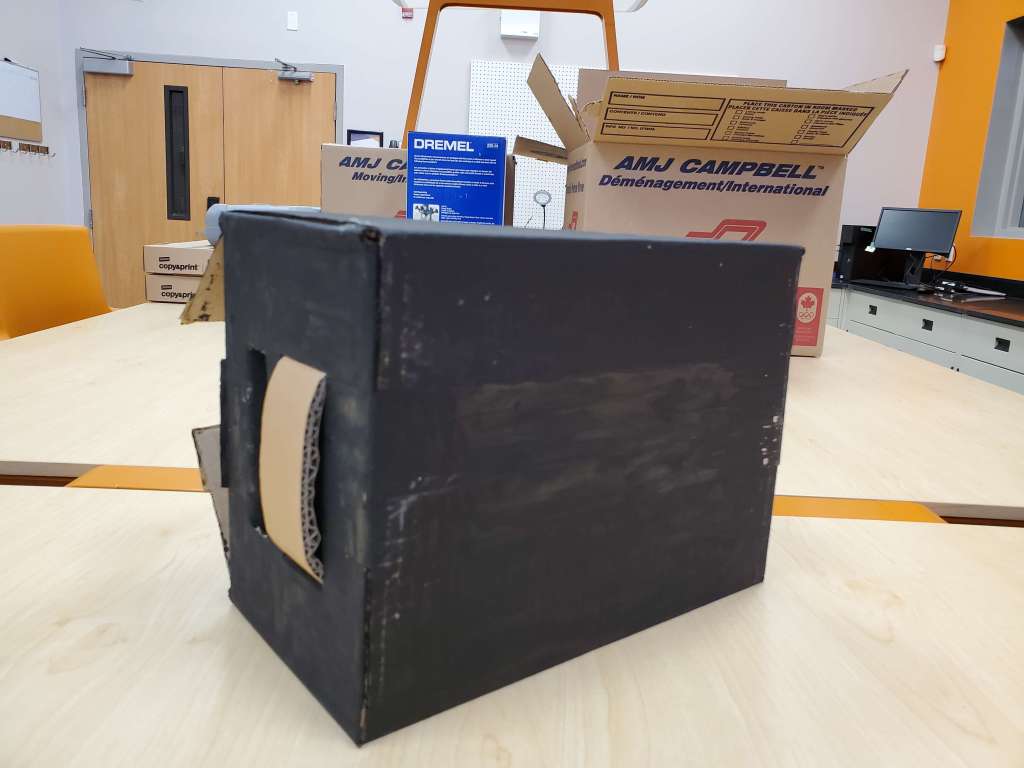
We used a recycled piece of cardboard to make our external carry handle, as well as the layout grid. The other handles were made by cutting holes in the side of the box.
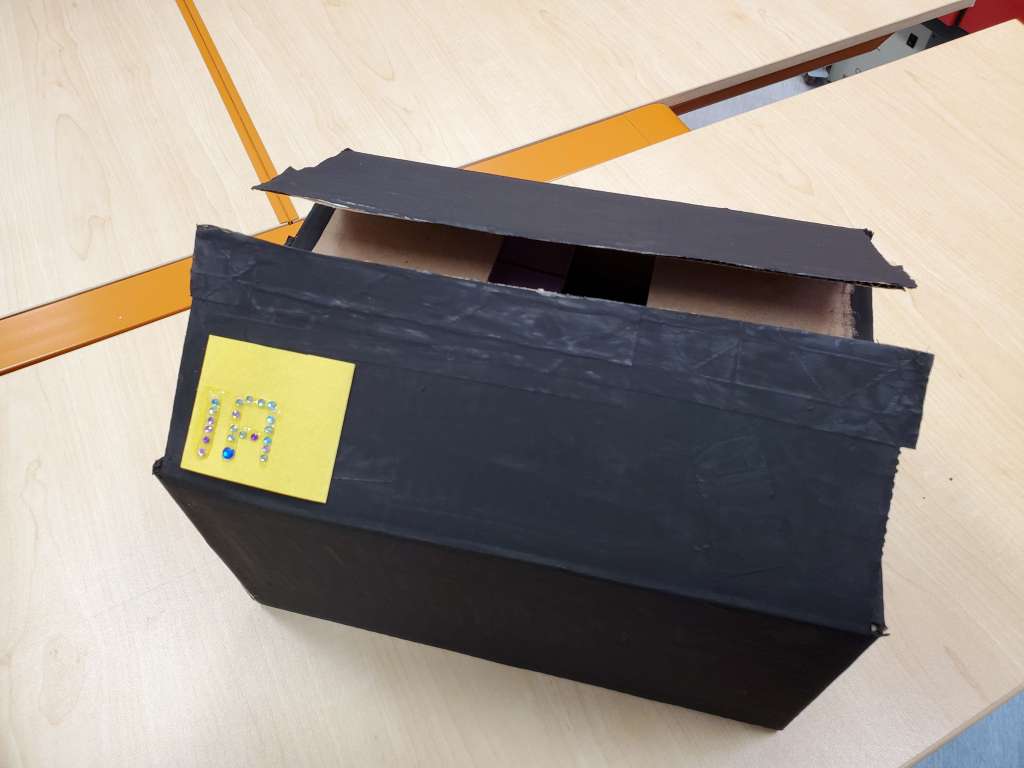
To make our simulated braille sticker, we used construction paper and gems.
Final Product
Challenges
We experienced a few minor technical challenges when developing our prototype. We would’ve created an even better prototype if we didn’t limit ourselves on our time.
We would’ve liked to have put more thought into the box and incorporated more things or incorporated them differently.
Lack of a concrete plan made it that we didn’t use our time to the full potential.
Reactions
Our audience was well receptive of our box. One question was asked about what paint we used? That would affect how recyclable it was, they misunderstood the paint was only on the prototype.
My group and I are proud of the box we created.
“The idea for this prototype seems innovative =, and the intended purposes…appears to be relevant to real-world challenges.”
– Dr. Stephen Fernandez, Lecturer, Wilfrid Laurier University
Focusing on environmental and pollution issues, our group topic is reducing waste made from nicotine products. This includes items that deliver substances through cigarettes, e-cigarettes, vaporizers, and pods.
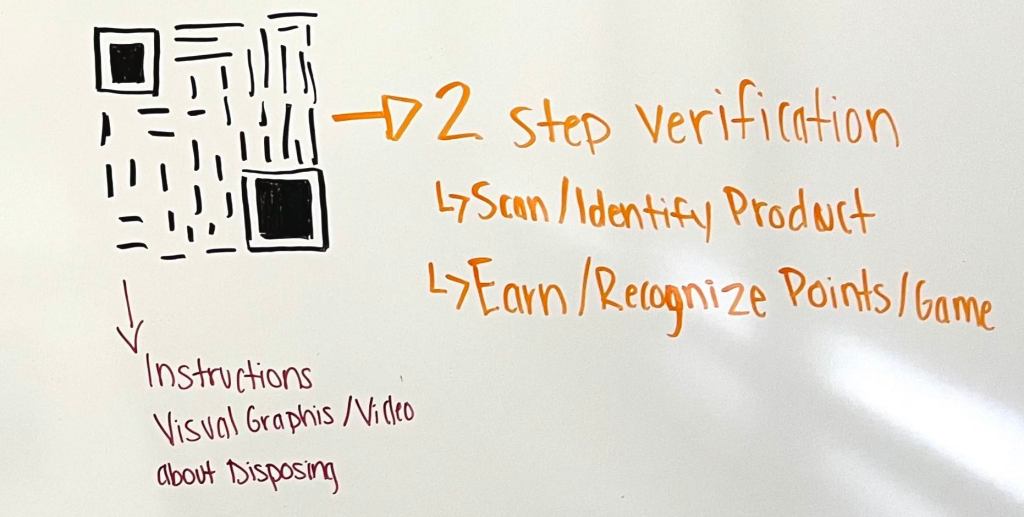
Our project utilizes the critical-making process and gamification to tackle our social issue.
Prototype Aim
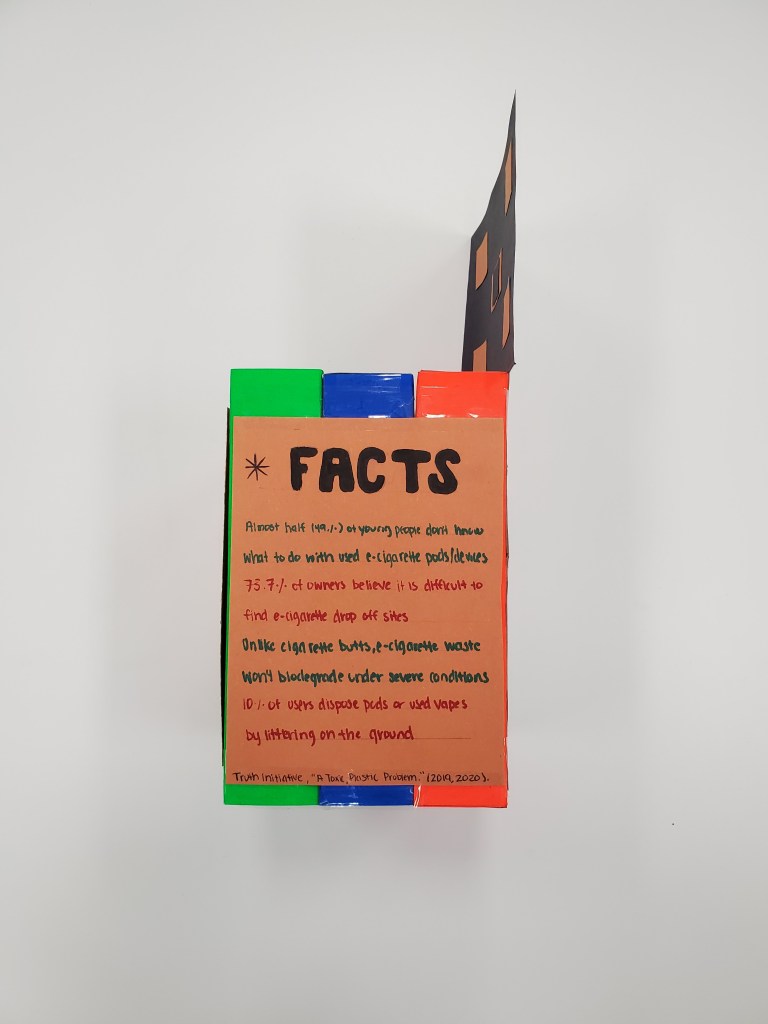
Our aim for this project was to control how people dispose of nicotine products to reduce environmental waste and pollution. Our objective was to create a sustainable and accessible solution that allows our users to access safe ways to dispose of items easily. Our goal was to also educate our users about the harmful effects of littering and the consumption of nicotine products. The main task our users needed to accomplish was the ability to understand where and how to correctly dispose of products.
Social Issue
Our social issue of concern is environmental waste and pollution. We’re trying to tackle the amount of waste created by nicotine products, in particular cigarette-related items. Our bins, will collect the waste in one location, reducing the waste left on the ground. This will not phase out the littering of nicotine products, but it will be able to educate our users about its purpose. By having strategic placement of our waste bins within the correct demographic will increase the positive effect we intend on creating.
Materials for Prototype
To produce our prototype we had access to a variety of tools. Our materials and things used were divided into 3 categories… We had tools, paper/cardboard and stickers
Producing our Prototype
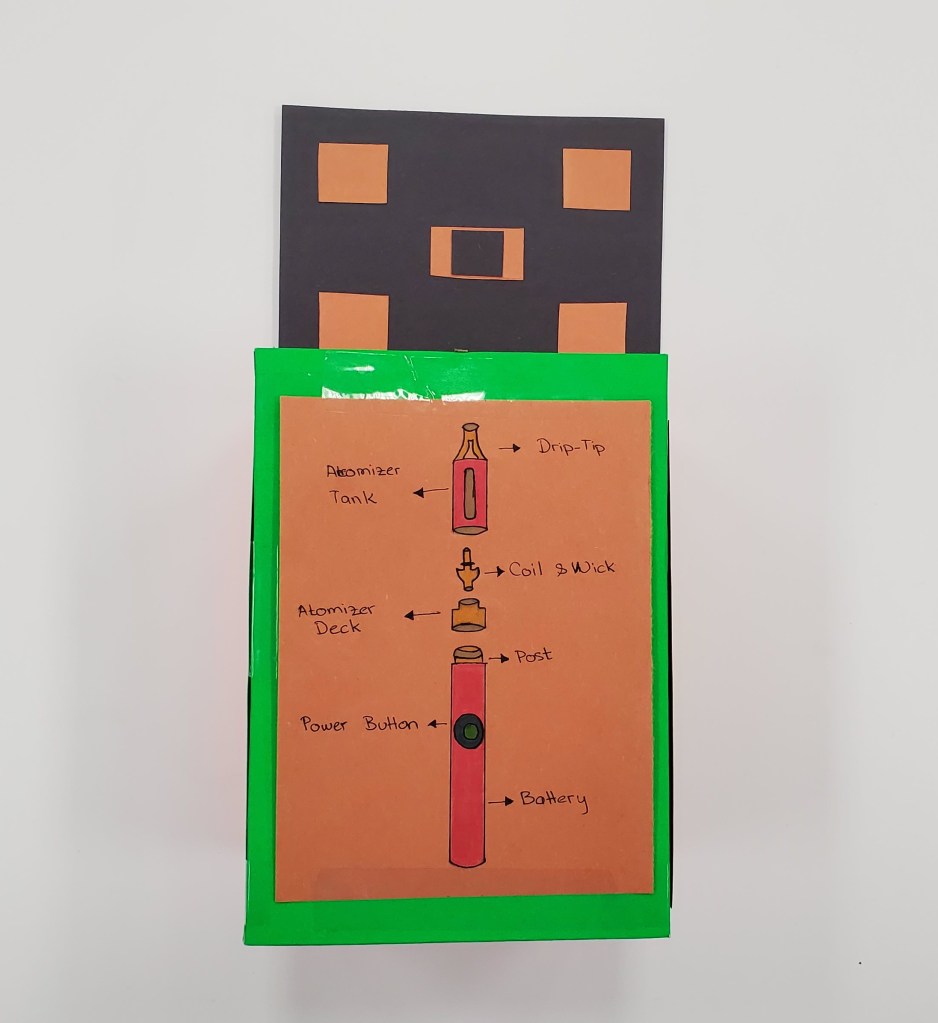
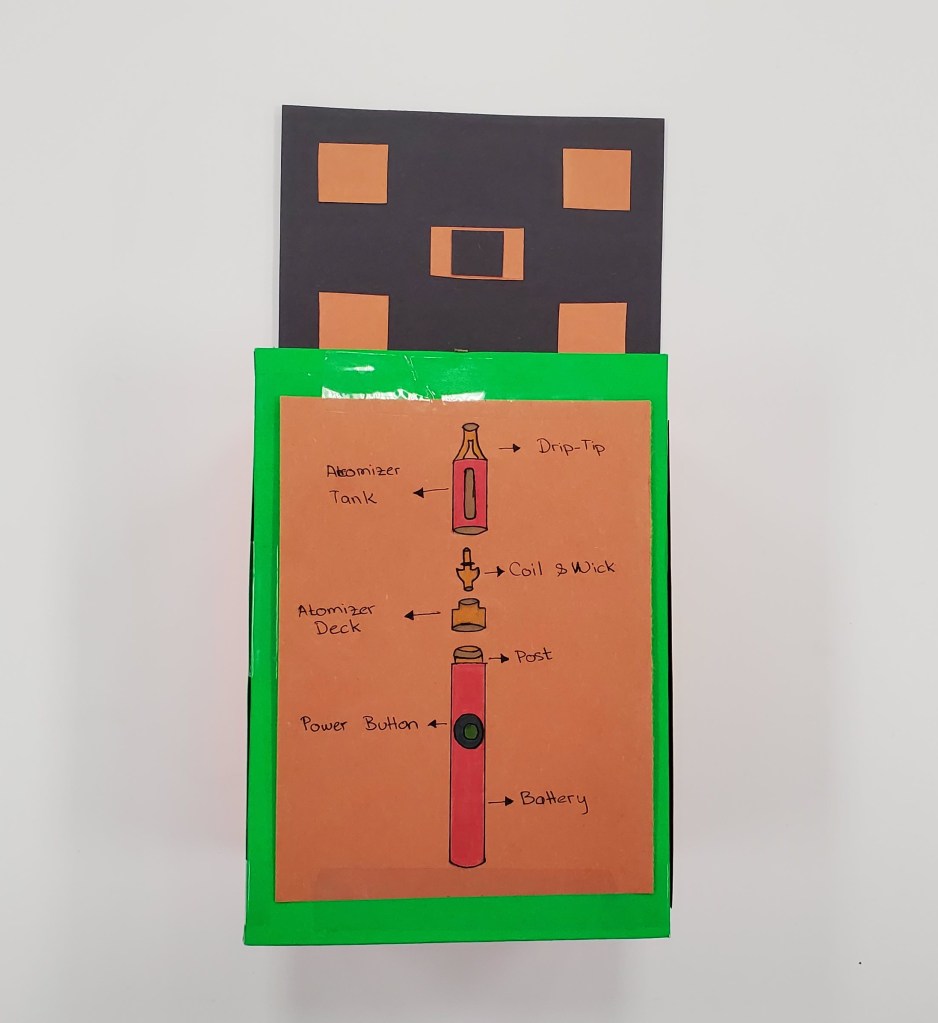
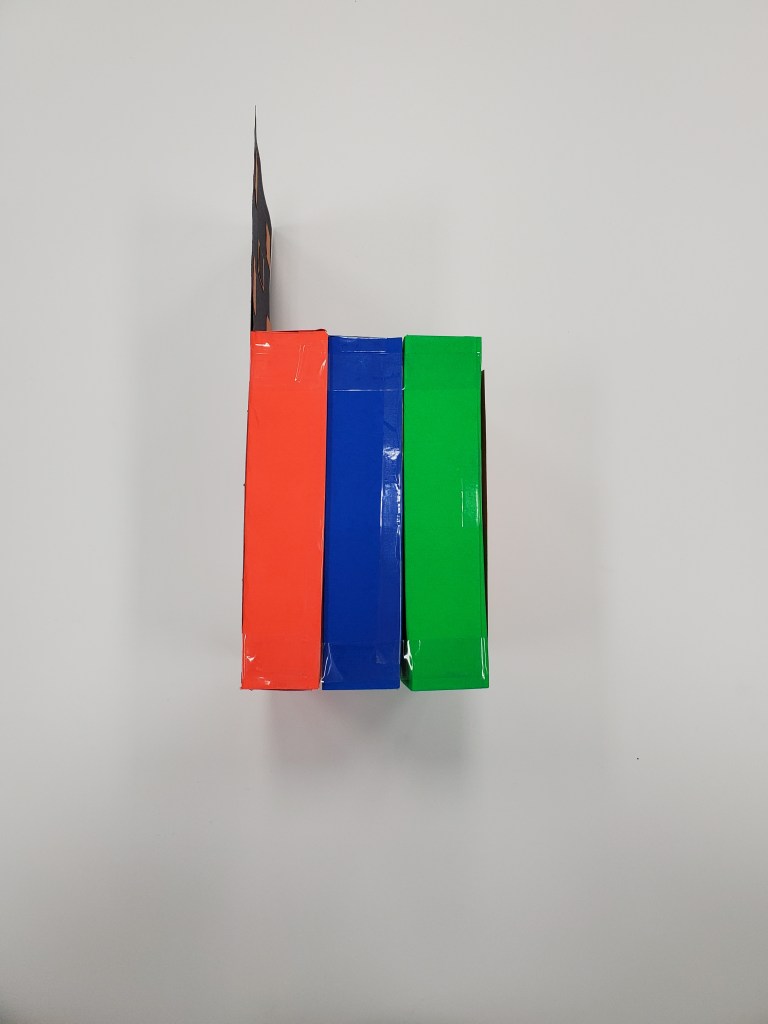
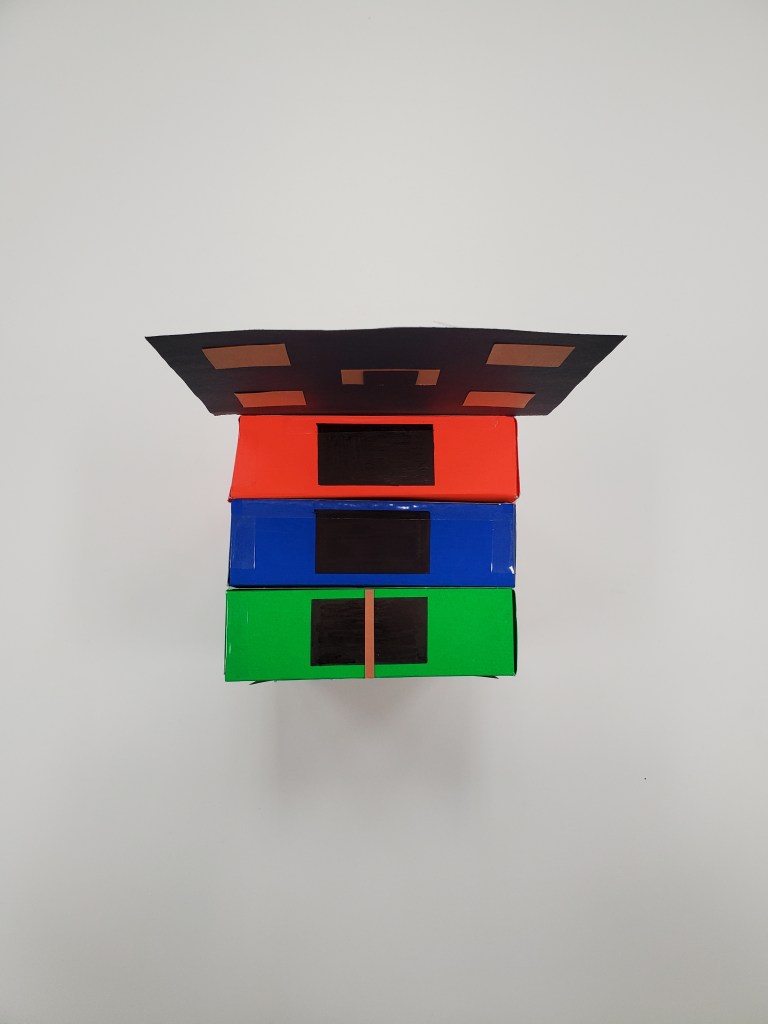
Making our waste bin, we used card stock, an old cardboard box, tape, construction paper and pens and markers.
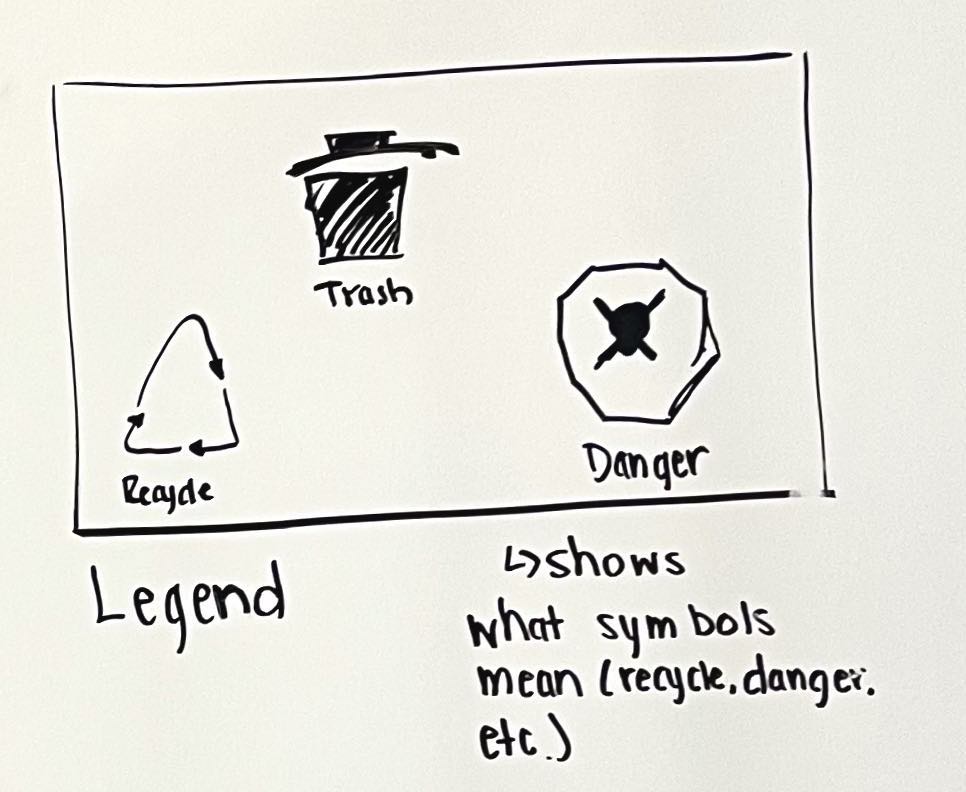
For making our legend, and digital elements we used Canva, a digital platform.
We used an old cardboard box as an outline/guidelines for the card stock, to make two more bins. Construction paper was used to make our facts sheet and labels. We used double sided tape to piece it all together.
Final Product
Challenges
We experienced a few minor technical challenges when developing our prototype. We forgot to fully consider what parts people will throw away, we forgot an e-waste section in our box.
We would’ve liked to have put more thought into how the gamification aspect of our design would work, and how that can improve the amount of waste.
Reactions
Our audience reacted well. They asked if our prototype was to scale of the final product, which it wasn’t. and they suggested we could incorporate this idea with food waste from large companies.
“It can help reduce the amount of waste, and reduce the affects of climate change.”
– Dr. Stephen Fernandez, Lecturer, Wilfrid Laurier University





 Megan McMullen